The demand for home care services has been steadily increasing as societies look for efficient and compassionate ways to support individuals in need within the comfort of their own homes. This article explores the various dimensions and factors that contribute to the vast world of home care services.
From understanding what they entail to the critical aspects that one should consider, we delve into the questions that many people frequently ask about this essential service.
What Are Home Care Services and Who Needs Them?
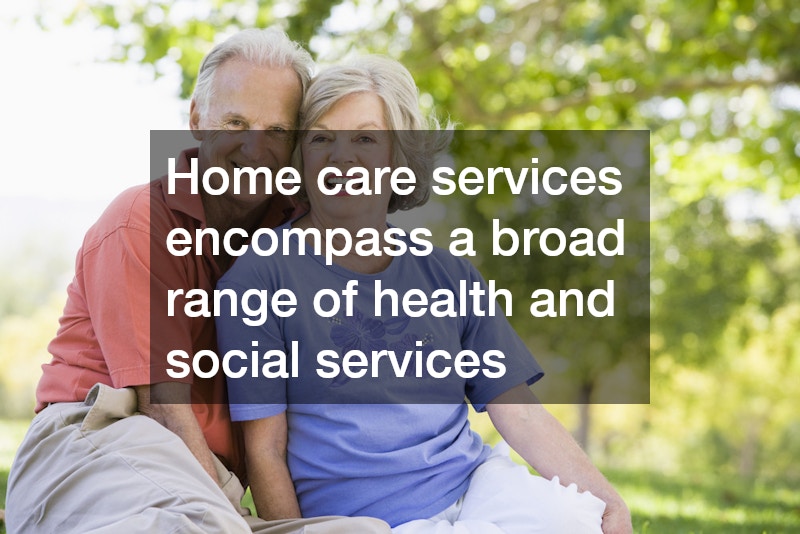
Home care services encompass a broad range of health and social services delivered at an individual’s home. These services are designed to help individuals with everyday living activities, medical care needs, and companionship for emotional support. A diverse group of people might require home care services, including the elderly, individuals with chronic illnesses, or anyone recovering from a significant medical condition. The core principle of home care services is to maintain or improve the quality of life for the care recipient within the comfort of familiar surroundings. Modern home care services have evolved to include not only medical assistance but also holistic care that addresses physical, emotional, and social well-being.
For the elderly, home care services offer a platform to maintain independence while receiving the necessary support tailored to their specific needs. As the natural aging process can bring challenges in mobility and daily tasks, having professional caregivers step in helps retain autonomy with dignity and respect. Similarly, those with chronic illnesses benefit from ongoing medical monitoring and therapy without the disruptions of frequent hospital visits. Home care also provides relief to family members, knowing their loved ones are in professional hands. This shift from institutional to home-based care symbolizes a broader movement towards personalized health care solutions.
Individuals recovering from major surgeries or those with temporary disabilities can find solace in home care services that cater to their recuperation needs. By offering rehabilitative services such as physical therapy and medication management at home, recovery can be both effective and comforting. The reduced stress and travel derived from in-home services can have beneficial impacts on recovery times and outcomes. Additionally, home care services encompass emotional support through companionship, addressing mental health aspects that are sometimes neglected in traditional clinical settings. This comprehensive approach to health helps integrate the care experience into the everyday life of the recipient.
How to Choose the Right Home Care Provider?
Choosing the right home care provider is crucial to ensuring quality care and support. Factors to consider include the provider’s accreditation, the qualifications and training of their staff, the range of services offered, and reviews from previous clients. An accredited home care provider indicates adherence to recognized standards of care, ensuring that the service delivered is both safe and competent. In addition to accreditation, evaluating the credentials of caregivers is instrumental in determining their capability to meet the specific needs of the care recipient. A personalized approach to choosing a provider is recommended, focusing on aligning the caregiver’s skills with the patient’s needs.
The variety of services offered by a home care provider plays a pivotal role in the selection process. Providers should offer an array of services from basic support, such as assistance with daily activities, to more complex services like medical care and therapy. Understanding the scope of services available allows potential clients to match their specific requirements with the provider’s capabilities. It is also essential to consider financial aspects, seeking a balance between the level of care provided and budget constraints. Often, a detailed consultation with potential providers aids in understanding the service package, pricing, and any additional offerings that might be beneficial.
Feedback and reviews from previous clients can provide invaluable insights into the reliability and efficiency of a home care provider. These firsthand accounts underscore real experiences, focusing on both strengths and areas for improvement. Engaging with community networks and online platforms can offer additional perspectives and advice, ensuring a well-rounded decision-making process. Trust and comfort with the caregiver cannot be overstated, as the nature of home care requires intimate interaction and reliance on the caregiver. Ultimately, finding a provider with a reputation for compassionate care can make a significant difference in the quality of life for the care recipient.
What Are the Costs and Benefits of Home Care Services?
Understanding the financial aspect and the inherent benefits of home care services is essential for making informed decisions. While costs can vary based on the type and extent of care required, many find the benefits, such as personalized care, maintaining independence, and emotional comfort, outweigh the costs. Discussing options like insurance coverage and potential financial aid can provide a clearer picture of the affordability of these services. Often, the calculation of costs should factor in the long-term benefit of preventing costly hospital admissions and extended hospital stays. Home care services stand out for their cost efficiency, especially when considering the level of personalized attention and care provided.
The expansive realm of home care services offers unparalleled options for those seeking care at home. By addressing critical questions regarding who needs these services, how to choose the right provider, and evaluating the cost-benefit ratio, individuals and families can make informed decisions that significantly impact their quality of life. The ultimate goal of home care is to provide assistance and care while allowing people to live with dignity and as independently as possible. Home care is not merely a medical solution, but a holistic approach that encapsulates all aspects of well-being. As we continue to embrace this caring model, the future of home-based health care brightens, promising even more comprehensive and integrated care solutions.