
Taking care of your body is a lifelong journey, especially when it comes to recovery, healing, and maintaining long-term health. Many people focus on addressing symptoms as they arise, but proactive care can prevent a host of chronic health issues and accelerate recovery when challenges occur. The human body is remarkably resilient, but optimal recovery requires intentional strategies that support its natural processes. Understanding how nutrition, hydration, movement, rest, and specialized therapies work together can empower individuals to achieve lasting wellness.
Recovery is not limited to the aftermath of illness or injury—it is a continuous process that can enhance daily energy levels, improve mental clarity, and strengthen overall physical performance. Small, consistent actions, such as maintaining balanced nutrition, practicing safe exercise routines, and engaging in restorative therapies, can have profound long-term benefits. Incorporating structured wellness practices into your routine creates a strong foundation for both short-term recovery and lifelong health.
Additionally, understanding the interconnectedness of body systems is key to effective care. The heart, lungs, muscles, joints, nervous system, and even the eyes all contribute to overall functionality. Supporting each of these systems through conscious lifestyle choices helps prevent setbacks and encourages efficient healing. Recovery is also deeply personal—what works for one person may differ for another—so awareness, observation, and professional guidance are essential components of any wellness plan.
This article will provide a detailed roadmap for supporting your body’s recovery and long-term wellness. Each section will focus on a specific area of health, offering actionable strategies and insights that can help individuals optimize healing, improve functional performance, and sustain their well-being. By exploring the multiple dimensions of recovery, from physical conditioning to organ health and restorative therapies, readers will gain a holistic understanding of how to maintain vitality and resilience throughout their lives.
Hydration and Nutrient Boosts for Rapid Recovery
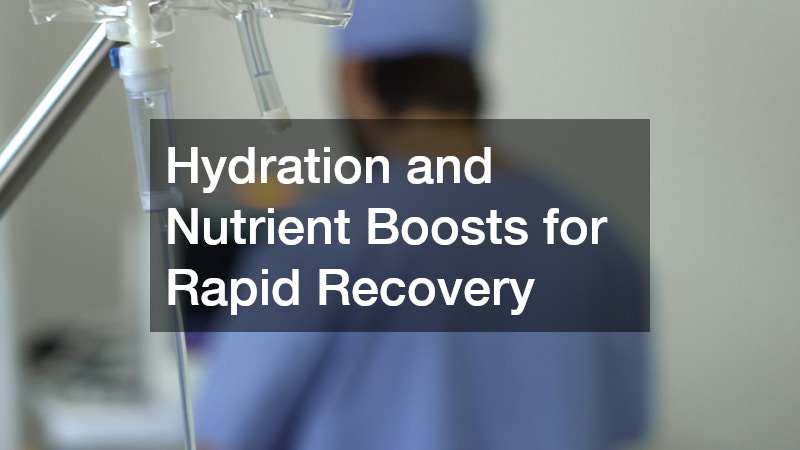
One of the most vital yet often overlooked aspects of recovery is proper hydration. When the body is adequately hydrated, it can function more efficiently, which is particularly important following physical exertion or health challenges. IV therapy centers offer hydration solutions infused with essential nutrients that expedite recovery, helping clients regain their energy and vitality quickly.
Nutrient supplementation can significantly enhance recovery outcomes as well. For example, vitamins such as B12 and C play crucial roles in cellular repair and immune function. By receiving nutrient boosts through IV therapy, individuals can support their bodies in tackling oxidative stress and inflammatory responses, making the recovery process smoother and more effective.
With the combination of hydration and nutrient replenishment, individuals can also improve their mental clarity and mood. Dehydration can lead to cognitive impairments, fatigue, and irritability, all of which hinder the recovery process. By prioritizing hydration, particularly through specialized treatments in an IV therapy center, people can maximize their recovery potential both physically and mentally.
Healthy Weight Management for Long-Term Wellness
Achieving and maintaining a healthy weight is essential for long-term wellness. Excess weight can lead to various health complications, including diabetes, heart disease, and joint issues. Medical weight loss programs offer structured approaches to help individuals shed excess pounds through personalized diets, coaching, and accountability.
In these programs, a healthcare professional helps determine the underlying causes of weight gain and tailors a plan to address them. This might include nutritional education, exercise recommendations, and mental health support, ensuring a holistic approach to weight management. Notably, such programs promote sustainable lifestyle changes rather than quick fixes, fostering a healthier relationship with food and body image.
Furthermore, successful medical weight loss can markedly enhance overall quality of life. Individuals often report improvements in self-esteem, energy levels, and physical mobility after reaching their weight loss goals. Thus, investing in a medically supervised weight loss program can yield substantial long-term benefits for one’s health and well-being.
Supporting Your Body’s Natural Detox Systems
The human body has built-in detox systems, primarily through the liver, kidneys, and lymphatic system. However, these systems can become overwhelmed by toxins from the environment, food, and other sources. Engaging in a detoxing process can support these organs in eliminating waste effectively, helping one feel revitalized and healthy.
Detoxing can take various forms, including dietary changes, increased hydration, and the use of detox-focused therapies. Many health centers provide specialized programs that guide individuals through this process, ensuring they can safely and effectively cleanse their bodies. By focusing on whole foods, staying hydrated, and engaging in regular exercise, individuals can optimize their detoxification processes naturally.
Moreover, the benefits of detoxing extend beyond just physical well-being. Many individuals experience mental clarity and emotional stability during and after detox programs. By integrating modalities that support the body’s natural detox systems, individuals can foster a more profound state of wellness.

Sculpting and Strengthening Your Body Safely
Body contouring services provide innovative solutions for individuals seeking to enhance their physical appearance safely. These services range from non-invasive procedures to medically supervised techniques that target specific areas of fat reduction. As a result, individuals can achieve their desired silhouette without resorting to extensive surgeries.
In addition to aesthetic benefits, body contouring can also provide functional advantages. Individuals often experience increased motivation to maintain an active lifestyle after their procedures. By sculpting their bodies, they can enhance their self-image, which can lead to higher levels of physical and mental engagement in health-promoting activities.
Safety is paramount for any body contouring service, and reputable providers ensure that every procedure is carried out with the utmost care. They also offer comprehensive follow-up support, including guidance on maintaining results through nutrition and exercise. This holistic approach ensures clients achieve not only their desired aesthetic outcomes but also improved health and wellness.
Targeted Facial and Fat Reduction Strategies
Kybella services have gained popularity as an effective method for targeted fat reduction, particularly in the submental area, or double chin. This injectable treatment uses a synthetic form of deoxycholic acid to break down fat cells, allowing for significant contouring without invasive surgery. Patients report high satisfaction rates as they can see visible results with minimal downtime.
The effectiveness of Kybella lies in its precision; it specifically targets unwanted fat deposits, contrasting with traditional weight loss strategies. Consequently, individuals can enjoy more defined facial features and enhanced self-confidence. Moreover, Kybella’s non-surgical nature means patients can return to their daily lives almost immediately after treatment, a convenience that many appreciate.
Additionally, Kybella can be part of a broader aesthetic enhancement plan, often used alongside other treatments for a comprehensive facial rejuvenation. Providers typically encourage consultation to tailor the treatment plan to individual needs, ensuring optimal results. This approach helps clients achieve their beauty goals in a safe and supportive environment.
Aligning the Spine and Nervous System for Recovery
Chiropractic service can significantly facilitate recovery by focusing on the alignment of the spine and nervous system. Misalignments in the spine can lead to pain, discomfort, and various health issues, affecting an individual’s ability to recover from injuries or health conditions. Chiropractors employ adjustments and manipulations to restore proper alignment, promoting overall wellness.
Regular chiropractic adjustments can enhance the body’s natural healing processes. When the spine is aligned, the nervous system functions more efficiently, which can accelerate recovery from illness or injury. Patients often report reduced pain levels and an improved range of motion, enabling them to engage more fully in rehabilitation and recovery activities.
Moreover, chiropractic care complements other rehabilitative approaches, such as physical therapy, by promoting alignment and mobility. When combined, these services can provide a comprehensive recovery strategy tailored to each individual’s needs. Therefore, including chiropractic services in recovery plans can significantly enhance overall health outcomes.
Strength and Mobility Rehabilitation
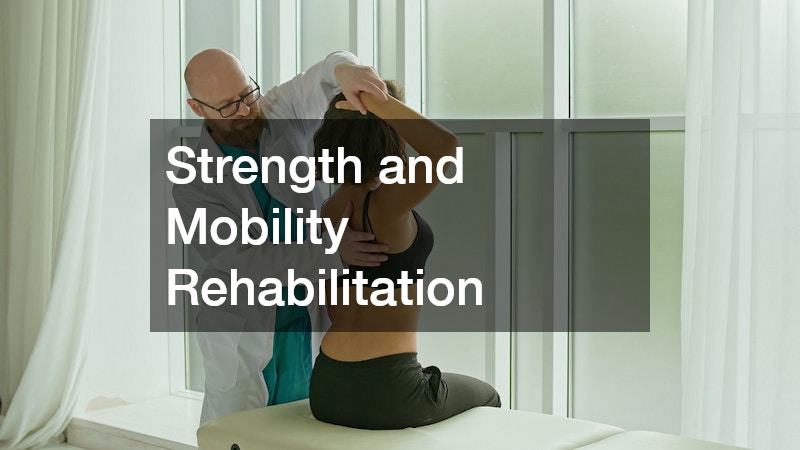
Physical therapy service is a cornerstone of rehabilitation, focusing on restoring strength and mobility post-injury. Through tailored exercise programs, physical therapists work with individuals to regain their functional abilities and reduce pain. This targeted approach helps individuals progress toward their recovery goals in a structured, supportive manner.
Physical therapy also emphasizes individualized care, recognizing that each person’s recovery journey is unique. Therapists assess patients’ specific needs and develop customized plans to address issues such as range of motion, strength deficits, and pain management. This collaborative approach empowers patients, giving them a sense of agency in their recovery process.
Furthermore, physical therapy helps prevent future injuries by teaching proper movement patterns and the importance of conditioning. Patients develop a deeper understanding of their bodies, enabling them to engage in activities safely and sustainably. As a result, physical therapy not only aids recovery but also lays the groundwork for long-term health and wellness.
Heart and Lung Health for Active Recovery
Cardiopulmonary rehab is essential for individuals recovering from heart or lung conditions. These specialized programs focus on improving the heart and lung function through supervised exercise and education on lifestyle modifications. Participants learn to manage their conditions effectively, ultimately enhancing their quality of life.
During cardiopulmonary rehabilitation, individuals are guided through tailored exercise regimes that cater to their unique health needs. This approach ensures that they can safely increase their activity levels while receiving real-time support from healthcare professionals. As a result, patients often experience improved endurance, reduced breathlessness, and overall enhanced physical fitness.
Moreover, educational components of cardiopulmonary rehab provide individuals with essential knowledge about their health conditions and the importance of lifestyle changes. Understanding the impact of nutrition, exercise, and stress management fosters a proactive approach to health. Comprehensive rehabilitation programs not only support recovery but also equip individuals with the tools they need for long-term heart and lung health.
Maintaining Vision and Eye Health
Complete eye care is integral to overall health, as it encompasses routine examinations and preventative measures to protect vision. Regular visits to an eye care professional can help detect issues such as glaucoma, cataracts, or diabetic retinopathy early on, allowing for timely intervention. Integrating eye health into one’s overall wellness strategy can prevent vision loss and maintain a good quality of life.
In additions to monitoring for eye diseases, complete eye care includes discussions around lifestyle choices that can affect long-term vision health. Patients are often advised on the importance of proper nutrition, UV protection, and managing screen time to maintain optimal eye health. By prioritizing eye care, individuals can take proactive steps toward preserving their vision as they age.
Furthermore, addressing eye health also supports overall physical health. Poor vision can impact mobility, cognitive functioning, and quality of life. Therefore, comprehensive eye care must be considered a vital aspect of a well-rounded approach to health and recovery.

Supporting Recovery in the Comfort of Home
In home health care offers a vital service for individuals recovering at home after injury, illness, or surgery. This approach allows patients to receive comprehensive care tailored to their needs in a familiar environment. Services may include nursing care, physical therapy, and assistance with daily living activities, providing support where it is most needed.
By opting for in home health care, patients can improve their recovery experience significantly. They benefit from one-on-one attention and personalized care plans designed to promote healing and mobility. This tailored approach ensures individuals feel supported throughout their recovery, fostering a sense of comfort and security.
Moreover, in home health care can also alleviate the burdens on family members who often take on caregiving roles. By providing professional assistance, families can ensure their loved ones receive the best possible care while alleviating stress. This balance enables a better overall recovery experience for both patients and their families.
The journey to optimal health and effective recovery necessitates a multifaceted approach. From hydration and nutrient boosts provided in IV therapy centers to physical therapy services for rehabilitation, each aspect plays a critical role in enhancing overall well-being. By focusing on strategies that include medical weight loss, detoxing processes, body contouring, and complete eye care, individuals can foster profound improvements in their health.
Additionally, aligning the spine through chiropractic service and bolstering heart and lung health with cardiopulmonary rehab are essential components that support recovery. These services empower individuals to take charge of their health, leading to sustainable lifestyle changes that promote longevity and quality of life. Moreover, with the convenience of in home health care, support is accessible whenever and wherever it is most needed.
Ultimately, prioritizing these various elements will create a more holistic approach to health and recovery, enabling individuals to thrive in their daily lives. As the landscape of health care continues to evolve, embracing a comprehensive strategy will ensure individuals remain informed and equipped to make the best decisions for their well-being.