
Aging in place allows seniors to remain in the comfort of their own homes while maintaining independence and quality of life. However, staying at home as needs change requires careful planning to accommodate mobility, health, and safety. Preparing ahead ensures that seniors can live comfortably and securely, even as life circumstances evolve.
Planning ahead is not just about structural modifications or health care. It includes evaluating personal routines, home accessibility, and medical needs, as well as thinking about long-term solutions for daily living. By proactively addressing potential challenges, seniors and their families can reduce stress, prevent accidents, and enjoy a higher quality of life.
From small adjustments to more significant home modifications, planning ahead ensures that a home can support changing needs. This includes preparing for mobility challenges, medical requirements, social engagement, and household management. Aging in place is most successful when it combines thoughtful planning with practical solutions tailored to individual needs.
This guide highlights essential strategies to anticipate and adapt to life changes while aging in place. Each section focuses on a specific area where planning can make a real difference, helping seniors remain independent, safe, and comfortable in their homes for years to come.
1. Preparing for Memory and Cognitive Changes

One of the most critical considerations for aging in place is cognitive health. Seniors experiencing conditions like dementia or Alzheimer’s disease benefit from proactive planning to support memory and safety. Alzheimer care involves creating routines and modifying home spaces to reduce confusion and prevent accidents. Planning for this care early allows families to make informed decisions about professional support and specialized equipment.
Alzheimer care also involves communication strategies, scheduling assistance, and monitoring systems that help seniors maintain independence while staying safe. Care plans can include structured daily routines, visual reminders, and secure environments that reduce stress and improve quality of life. Families can coordinate with professional caregivers to develop comprehensive plans that anticipate future challenges.
In addition, Alzheimer care planning often includes assessing living spaces for potential hazards. Removing tripping risks, improving lighting, and installing safety devices contribute to a more secure environment. Advance planning ensures that cognitive changes do not result in emergency situations, allowing seniors to age in place with dignity and confidence.
2. Maintaining Oral Health
Oral health becomes increasingly important as seniors age. Dental care is critical for overall health, and establishing regular checkups and preventive routines ensures that teeth and gums remain strong. Good dental care supports nutrition, comfort, and overall well-being, which are essential for aging in place successfully.
For seniors who have lost teeth, dentures provide a functional and aesthetic solution. Dentures require careful planning and maintenance to ensure comfort and effectiveness. Scheduling regular appointments with dental professionals allows for adjustments, cleaning, and monitoring for oral health issues. Properly fitted dentures improve chewing efficiency and prevent further dental complications.
Dental care also includes proactive hygiene practices at home. Brushing, flossing, and using recommended products help prevent decay, gum disease, and other oral health concerns. By integrating dental care and maintenance for dentures into daily routines, seniors can avoid complications that could interfere with independent living and quality of life.
3. Expanding or Modifying Your Living Space
Some seniors may require additional space to accommodate changing needs. Working with a home addition contractor allows homeowners to plan modifications that support aging in place. Adding extra rooms, accessible bathrooms, or improved living areas can make a home safer and more comfortable as mobility or health needs evolve.
Home addition contractors provide expertise in designing spaces that meet accessibility standards while blending with existing structures. Features such as wider doorways, non-slip flooring, and accessible layouts can be incorporated during the planning phase. This ensures that future needs are anticipated without requiring emergency renovations later.
Planning ahead with a home addition contractor also allows seniors to stay within budget and timeline constraints. By considering long-term requirements, such as space for caregivers, equipment, or recreational areas, the home can accommodate evolving needs without disrupting daily life. Thoughtful modifications contribute to independence and convenience while maintaining the home’s overall value.
4. Keeping Your Home Safe and Clean

Maintaining a clean, hazard-free environment is essential for aging in place. Hiring a professional cleaning company helps seniors manage routine chores safely and efficiently. A cleaning company ensures that floors, surfaces, and bathrooms are free of debris, reducing the risk of falls and creating a more comfortable living environment.
Regular support from a cleaning company can be tailored to individual needs, whether it’s weekly housekeeping, deep cleaning, or specific attention to high-use areas. This allows seniors to focus on daily activities, social engagement, and health maintenance without being overwhelmed by home upkeep.
A cleaning company can also assist in maintaining areas that may become safety concerns, such as kitchens and bathrooms. By keeping these spaces hygienic and well-organized, seniors reduce the risk of slips, infections, and accidents. Planning for consistent cleaning support ensures a safer, more manageable home environment for aging in place.
5. Upgrading Bathroom Accessibility
Bathrooms are often one of the most challenging areas for seniors with mobility changes. Installing a custom shower enclosure allows for safer and more accessible bathing. Custom shower enclosures can be designed with low thresholds, grab bars, and non-slip surfaces, which significantly reduce the risk of falls and make daily routines easier.
Working with professionals to plan a custom shower enclosure ensures that the space fits the homeowner’s specific needs. Features can include seating, handheld showerheads, and wider entryways for mobility aids. This level of customization supports independence while providing peace of mind for both seniors and their families.
Upgrading the bathroom with a custom shower enclosure also adds value and usability to the home. Planning this change before mobility becomes limited ensures that seniors can continue their daily routines safely, without the need for emergency modifications. Investing in thoughtful bathroom design is a practical step for aging in place effectively.
6. Supporting Stair and Floor Mobility
As mobility changes with age, navigating stairs safely becomes a priority. Installing chairlifts for stairs allows seniors to move between floors without risking falls or overexertion. Chairlifts for stairs are especially helpful in multi-level homes, enabling independence without major renovations or relocation.
Planning ahead for chairlifts for stairs ensures proper installation and long-term usability. Professionals can evaluate stair design, weight capacity, and safety features to create a system tailored to the home and the resident’s needs. Features such as swivel seats, secure belts, and smooth operation provide both comfort and confidence.
In addition to physical safety, chairlifts for stairs reduce anxiety associated with stair navigation. Seniors can maintain access to bedrooms, bathrooms, and common areas without assistance, preserving independence. Early installation allows residents to adapt gradually and ensures the home remains functional even if mobility declines over time.
7. Enhancing Independence with Mobility Devices

Mobility scooters can significantly improve the quality of life for seniors with limited walking endurance. Using mobility scooters allows residents to move around their homes or nearby areas more easily, reducing strain and fatigue while promoting continued independence.
Planning for mobility scooters involves evaluating home layouts and outdoor access. Sufficient space for maneuvering, safe charging stations, and secure storage are key considerations. Proper planning ensures that the scooter can be used daily without creating clutter or obstacles, which supports efficiency and safety.
Mobility scooters also contribute to social and recreational independence. Seniors can engage in community activities, run errands, and maintain routines without relying on others for transportation. Incorporating mobility scooters into daily life ahead of time allows for seamless integration into the home environment, supporting a longer, more comfortable aging-in-place experience.
8. Improving Home Comfort and Energy Efficiency
Insulation plays a key role in maintaining a comfortable indoor environment. Working with an insulation contractor ensures that walls, attics, and crawl spaces are properly insulated to reduce drafts, maintain temperatures, and lower energy costs. Proper insulation also helps HVAC systems operate more efficiently, reducing wear and utility bills.
Insulation contractors evaluate the home’s current setup and recommend solutions tailored to the building type, climate, and resident needs. Upgrades may include adding insulation to attics, sealing gaps, or installing high-efficiency materials. By planning these improvements ahead of time, seniors can enjoy better comfort and stability in their homes as they age.
Additionally, improved insulation contributes to sound reduction and moisture control. This creates a safer, quieter, and more consistent living environment. Investing in insulation upgrades before issues arise ensures that the home remains energy-efficient and comfortable for years to come.
9. Maintaining Outdoor Spaces
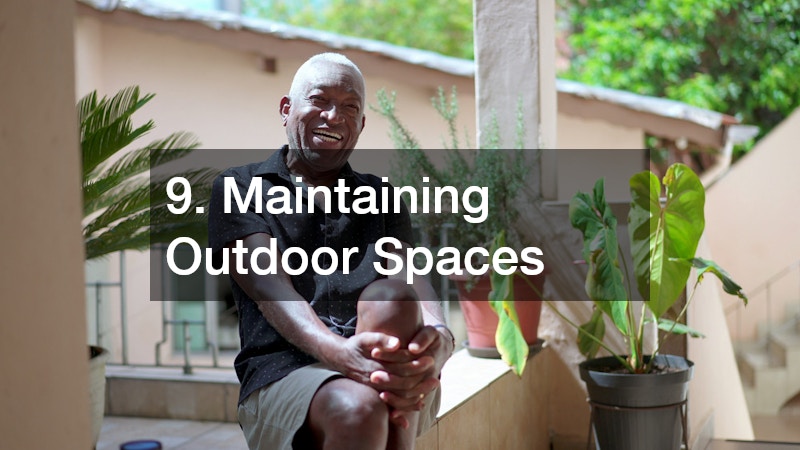
Outdoor areas are important for exercise, relaxation, and mental health. Pool services help ensure that swimming pools and surrounding spaces are clean, safe, and usable for seniors. Regular maintenance by professionals prevents hazards such as slippery surfaces, algae growth, or equipment failures, making outdoor areas more accessible.
Planning for ongoing pool services allows seniors to enjoy water-based activities safely without undertaking physical labor themselves. Professionals can handle cleaning, chemical balancing, equipment checks, and seasonal preparations, reducing risk and maintaining the pool’s functionality.
A well-maintained pool area supports both exercise and social interaction, which are vital for physical and emotional well-being. By arranging pool services ahead of time, seniors and families can prevent accidents and ensure that outdoor amenities remain a positive and accessible part of home life.
10. Planning for Dental and Oral Health Needs
Maintaining dental care is vital for seniors’ overall health, and planning for it at home can make a big difference. Regular dental appointments, cleanings, and preventive care help avoid complications such as tooth decay, gum disease, and infections, but there are also simple at-home strategies that support long-term oral health. Setting up a consistent oral hygiene routine, using senior-friendly toothbrushes, floss holders, or water flossers, and keeping oral care products within easy reach can reduce strain and make daily care more manageable. These small changes help seniors maintain proper nutrition, prevent discomfort, and reduce the need for emergency interventions that might require leaving the home unexpectedly.
For seniors who use dentures, at-home adjustments and maintenance are essential. Dentures need regular cleaning and soaking, and seniors may benefit from creating a dedicated space in the bathroom for denture care, with labeled containers and accessible tools. Ensuring proper lighting, non-slip mats, and supportive seating while cleaning dentures reduces the risk of accidents. Planning for denture upkeep at home helps ensure comfort and functionality, allowing seniors to eat, speak, and enjoy daily life without interruptions.
By combining routine dental care with proactive at-home maintenance, seniors create an environment that supports safe, independent living. Integrating oral hygiene into daily routines, along with accessible tools and spaces designed for ease of use, strengthens overall well-being. Addressing oral health through practical home adaptations helps seniors maintain independence, prevent complications, and enjoy a higher quality of life while aging in place.
11. Final Home Adjustments for Convenience
Bathrooms, kitchens, and other frequently used areas benefit from customized solutions. Custom shower enclosure installations create safer bathing spaces for seniors with mobility or balance challenges. Planning for a custom shower enclosure allows the homeowner to incorporate features such as grab bars, seating, and non-slip surfaces.
Custom shower enclosure planning ensures that these spaces are both accessible and comfortable. By consulting with professionals, seniors can select materials, sizes, and layouts that fit their current needs while anticipating future changes. Early installation prevents accidents and supports continued independence.
Other final adjustments may include accessible storage, lever-style handles, and task lighting. By making thoughtful, proactive improvements with professional assistance, seniors can maintain a home environment that is both functional and safe, supporting aging in place over the long term.
Planning ahead is essential for seniors who wish to age in place safely and comfortably. By addressing mobility, health, home modifications, and maintenance needs in advance, seniors and their families can create a supportive environment that adapts to changing circumstances.
Proactive planning reduces the risk of accidents, ensures access to critical services, and allows for continued independence. From Alzheimer care and dental health to home accessibility upgrades and outdoor maintenance, every step taken early contributes to a higher quality of life.
Aging in place is most successful when it combines thoughtful preparation with practical solutions. By integrating mobility aids, home modifications, professional services, and preventive health strategies, seniors can remain in their homes with confidence, comfort, and dignity for years to come.