
Living a healthier and more comfortable lifestyle often requires looking beyond basic habits and considering the individual needs that shape daily experiences. While eating nutritious meals, staying physically active, and getting enough rest are important, personalized care can provide additional support when specific health concerns or lifestyle challenges arise.
Age, medical history, personal preferences, physical abilities, and daily responsibilities all influence the type of support someone may need. A busy parent might prioritize convenient healthcare appointments for their children, while an older adult may need assistance maintaining independence. Others may focus on improving their appearance, managing discomfort, or establishing more restful routines.
Exploring available services and making informed decisions allows individuals and families to develop wellness strategies that reflect their circumstances. By considering physical health, emotional well-being, personal confidence, and everyday comfort together, people can build routines that are both practical and meaningful.
Addressing Individual Health Needs Through Personalized Care
Every person has unique healthcare needs, and recognizing those differences is an important part of developing a sustainable wellness routine. Rather than following recommendations that may not apply to their circumstances, individuals can work with healthcare professionals to identify priorities, discuss concerns, and determine which services are appropriate.
Personalized care often begins with an honest conversation about existing medical conditions, medications, lifestyle habits, and challenges that affect daily activities. Sharing this information gives healthcare providers a clearer understanding of the individual’s circumstances and helps guide recommendations.
Some individuals may be interested in exploring local IV therapy as part of their broader healthcare considerations. Intravenous treatments deliver fluids or specific medications directly into the bloodstream, but their suitability depends on medical needs and the substances being administered. People considering elective vitamin infusions should discuss potential risks, expected benefits, and alternatives with a qualified healthcare professional. These treatments should not replace appropriate medical care, adequate nutrition, or routine hydration.
By focusing on individual circumstances rather than popular wellness trends, people can make choices that reflect their health goals, personal preferences, and long-term needs.

Supporting Family Health Through Preventive Services
Preventive healthcare plays an important role in helping families establish healthy habits and address concerns before they become more difficult to manage. Children, adults, and older family members may require different types of screenings, appointments, and professional guidance. Coordinating these responsibilities can make healthcare feel more manageable for busy households.
Parents who establish relationships with local pediatricians can discuss their children’s development, nutrition, sleep patterns, immunizations, and other age-related concerns. Regular pediatric appointments provide opportunities to monitor changes and ask questions about physical, social, and emotional development.
Finding a practice that accommodates a family’s schedule and communication preferences can make it easier to maintain consistent care. Parents may want to consider office hours, appointment availability, accessibility, and how the practice handles questions outside scheduled visits. These practical considerations can influence whether families feel comfortable seeking assistance when concerns arise. Asking about appointment costs and insurance coverage can also help families plan ahead.
Preventive care also extends beyond childhood. Adults can benefit from discussing age-appropriate screenings, reviewing their medical history, and addressing changes in their physical or emotional health.
Families can reinforce professional guidance by establishing routines that encourage regular meals, adequate sleep, enjoyable physical activity, and open conversations about health. Making wellness a shared household priority can also help children develop positive attitudes toward healthcare as they grow older.
Maintaining Oral Health Through Comprehensive Dental Services
Oral health influences many aspects of everyday life, from eating comfortably to speaking confidently and participating in social activities. Establishing a dental care routine that addresses both functional and aesthetic concerns can help individuals feel more comfortable maintaining their smiles.
Services associated with general dentistry typically focus on preventive care, examinations, and the diagnosis and treatment of common dental problems. Routine visits allow patients to discuss tooth sensitivity, gum discomfort, changes in their bite, or difficulties maintaining effective brushing and flossing habits. Dental professionals can recommend approaches that reflect each patient’s oral health needs.
Individuals interested in changing the appearance of their smiles may choose to consult a cosmetic dentist. Options such as professional whitening, bonding, or veneers may be considered depending on a patient’s oral health, preferences, and budget. A consultation can help clarify which procedures are appropriate and what maintenance may be required afterward.
Balancing aesthetic goals with functional needs is important when making dental decisions. Treatments should account for the condition of the teeth and gums rather than focusing exclusively on appearance. Taking time to understand the available options allows patients to establish realistic expectations and make informed choices.
Enhancing Personal Confidence Through Individualized Appearance Care
Feeling comfortable with one’s appearance can influence how an individual approaches social situations, professional responsibilities, and personal relationships. Although appearance is only one component of overall well-being, personalized care can help people address specific concerns without feeling pressured to follow unrealistic beauty standards.
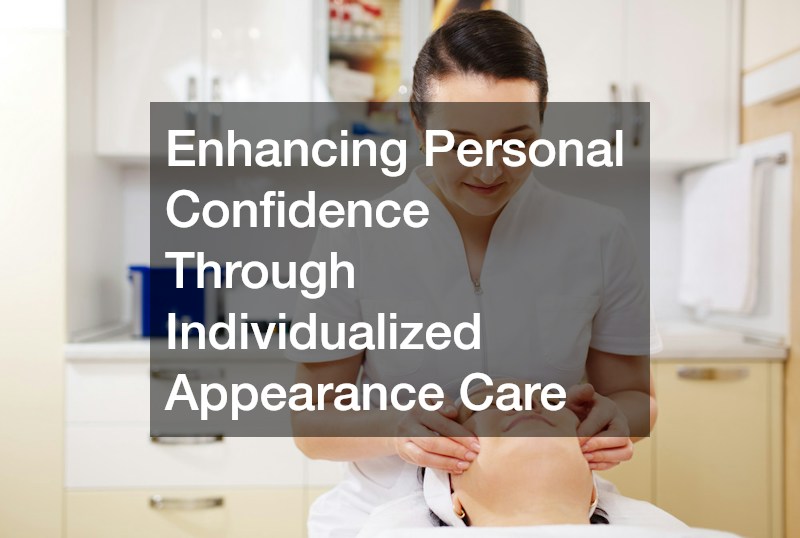
Scheduling a facial care service may appeal to individuals who want guidance on maintaining their skin or addressing concerns such as dryness, uneven texture, or sensitivity. A provider can discuss the individual’s existing skin care routine, preferences, and sensitivities before recommending appropriate services. Persistent irritation, unexplained skin changes, or other medical concerns should be evaluated by a qualified healthcare professional.
Developing a manageable skin care routine at home can complement professional recommendations. Rather than purchasing numerous products at once, individuals may find it easier to introduce changes gradually and monitor how their skin responds.
Changes in hair density or appearance can also affect personal confidence. Someone experiencing hair thinning may explore a hair restoration service after discussing possible underlying causes with a medical professional. Available approaches differ considerably, and their suitability may depend on the reason for hair loss, overall health, and individual expectations.
Before pursuing an appearance-related treatment, individuals should ask about potential side effects, recovery requirements, costs, and the likelihood of achieving their desired results.
Ultimately, appearance-related care should support personal preferences rather than external expectations. Individuals can choose services that help them feel comfortable while recognizing that confidence does not depend on achieving a particular look.
Promoting Independence Through Customized Mobility Support
Moving comfortably throughout the day can make it easier to complete household tasks, participate in recreational activities, and maintain social connections. For individuals experiencing mobility challenges, personalized support can help address barriers that interfere with these important aspects of daily life.
Mobility needs vary widely depending on physical abilities, health conditions, living arrangements, and personal goals. Some individuals may require assistance walking longer distances, while others may need equipment that supports routine activities inside their homes. A professional assessment can help identify practical solutions and determine whether additional rehabilitation or training is appropriate.
For someone living with limb loss, a prosthetic foot may be part of a broader mobility plan developed with a prosthetist and other rehabilitation professionals. Selecting an appropriate device involves considering factors such as activity level, balance, comfort, and the individual’s intended activities. Professional fitting and follow-up appointments are important because adjustments may become necessary as physical needs change.
Individuals can also make modifications to their living environments to improve accessibility. Rearranging furniture, improving lighting, and removing obstacles from frequently used walkways may help create more manageable spaces. Occupational therapists can offer guidance on adaptations that address specific functional challenges.
Setting realistic mobility goals is another important consideration. An individual might initially focus on walking safely around the home before progressing toward more demanding activities under professional guidance.
Personalized mobility support should reflect what matters most to the individual. Helping someone participate in meaningful activities can be just as important as addressing the physical limitations themselves.
Encouraging Comfortable Aging Through Individualized Assistance
As people grow older, changes in physical abilities, energy levels, and healthcare needs may influence how they manage everyday responsibilities. Personalized assistance allows older adults to receive support in areas where they need it while retaining control over decisions that affect their lives.
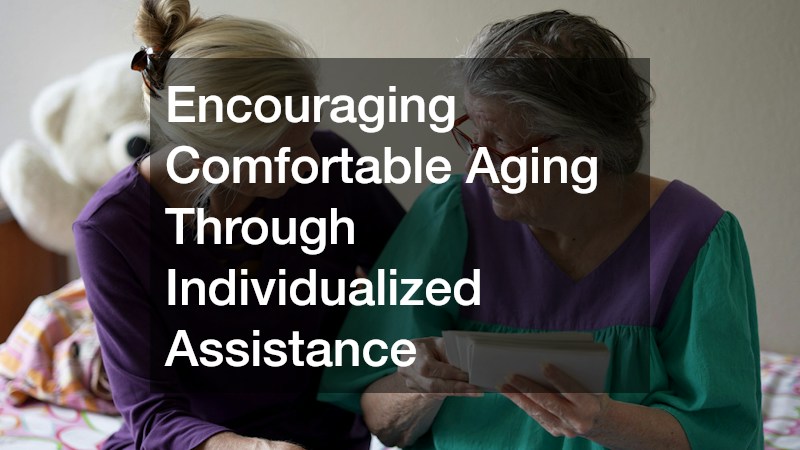
Families considering a senior care service can explore different arrangements based on their loved one’s preferences, living situation, and level of independence. Some older adults may benefit from occasional help with transportation, grocery shopping, or household chores. Others may require more frequent assistance with personal care or activities that have become challenging.
Discussing these needs openly can help families identify appropriate support without making unnecessary assumptions. Older adults should have opportunities to express their priorities, explain which tasks they prefer to handle independently, and participate in decisions about their daily routines whenever possible.
Social engagement is another important consideration when developing a personalized care plan. Opportunities to spend time with friends, participate in hobbies, and remain involved in community activities can help older adults maintain meaningful connections.
Family caregivers can also benefit from professional support. Balancing caregiving responsibilities with employment, personal health, and other family commitments can become demanding. Arranging appropriate assistance may provide caregivers with opportunities to rest and attend to their own responsibilities.
Care arrangements should remain flexible as circumstances evolve. Reviewing services periodically allows families to determine whether current support is still appropriate or whether adjustments are needed. A collaborative approach can help older adults maintain dignity, comfort, and a sense of independence throughout changing stages of life.
Incorporating Relaxation Through Personalized Wellness Practices
Daily responsibilities can make it difficult to dedicate time to relaxation. However, identifying enjoyable ways to unwind can help individuals establish a healthier balance between work, family commitments, and personal needs. Effective relaxation routines often depend on individual preferences rather than rigid schedules or complicated practices.
Some people enjoy reading, gardening, gentle stretching, or spending time outdoors. Others prefer quiet activities that allow them to disconnect from digital devices and reduce distractions.
Individuals interested in creating a dedicated relaxation space at home might consult a local sauna dealer to learn about available equipment. Comparing installation requirements, maintenance responsibilities, temperature controls, and space limitations can help homeowners determine whether a sauna fits their lifestyle and budget.
Sauna use is not appropriate for everyone, and individuals with certain health conditions or concerns should consult a healthcare professional before using one. Following operating instructions and avoiding prolonged exposure to excessive heat are important considerations. A sauna should be viewed as an optional relaxation amenity rather than a substitute for medical treatment or other essential wellness habits.
Personalized relaxation can also involve making changes to daily schedules. Establishing boundaries around work hours, sharing household responsibilities, and limiting unnecessary commitments may create additional opportunities for rest.
Rather than trying to incorporate every available wellness activity, individuals can focus on practices they genuinely enjoy. A simple routine that fits comfortably into everyday life may be easier to maintain than one that requires extensive time or financial resources.
Improving Everyday Comfort Through Restorative Sleep Habits
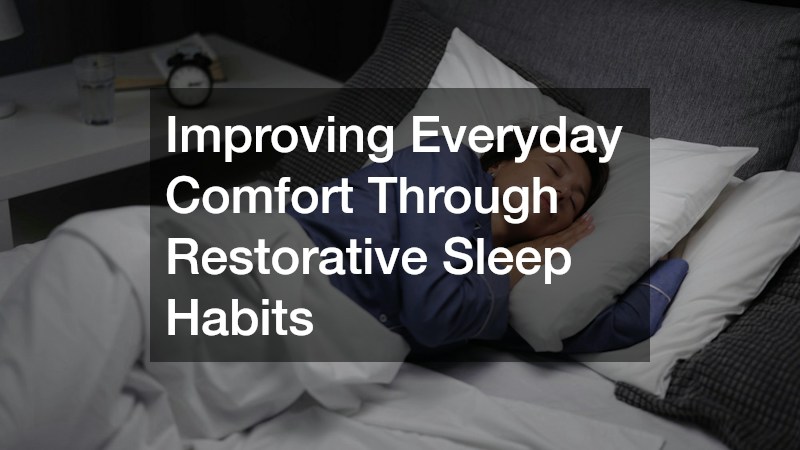
A comfortable sleeping environment can support a more consistent nighttime routine and make it easier to prepare for rest. Personal preferences regarding bedding, temperature, lighting, and noise vary, making individualized adjustments particularly valuable when creating a relaxing bedroom.
People who frequently feel warm at night may consider using a cooling pillow case alongside other changes to their bedding. Comparing fabrics, textures, and washing instructions can help individuals choose products that suit their comfort preferences. A pillowcase alone, however, cannot address underlying medical conditions or persistent sleep difficulties.
Establishing consistent bedtime habits can complement improvements to the physical sleeping environment. Reducing distractions, maintaining a reasonably regular schedule, and allowing time to unwind before bed may help individuals develop routines that feel more predictable. Those who experience ongoing sleep disturbances should discuss their symptoms with a healthcare professional.
Comfort also extends into waking hours. Evaluating seating arrangements, footwear, and frequently used household items can reveal opportunities to make daily activities more enjoyable.
Building a healthier lifestyle does not require adopting every available service or completely changing established routines. Instead, individuals can identify their most pressing needs, explore appropriate professional guidance, and gradually introduce improvements that align with their goals.
By combining preventive healthcare, personal care, mobility assistance, relaxation, and comfortable living environments, people can develop individualized wellness strategies that evolve with their circumstances. Making thoughtful choices about these areas encourages a balanced approach to health that values independence, confidence, and everyday quality of life.