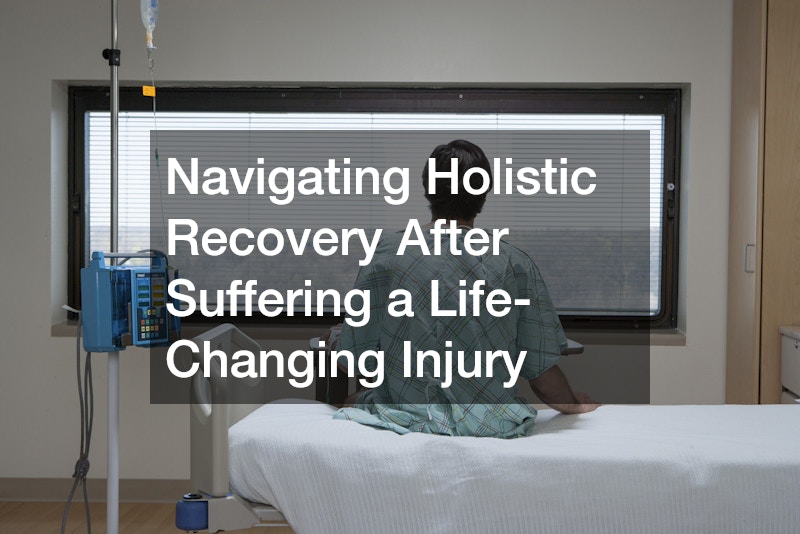
Suffering a life-changing injury upends every facet of existence in an instant. In a single moment, a devastating car accident, workplace failure, severe fall, or catastrophic medical event shifts your reality from daily routine to overwhelming uncertainty. The initial aftermath is often a blur of emergency rooms, surgical interventions, intensive care units, and a barrage of medical terminology that feels entirely alien. However, once the acute physical crisis stabilizes, the true journey begins. The path back toward wholeness is rarely a straight line, and it extends far beyond basic physiological healing.
A catastrophic injury fundamentally alters physical capabilities, emotional stability, financial security, personal identity, and family dynamics. Treating an injury of this magnitude purely as a set of broken bones or damaged nerves neglects the profound psychological and logistical ripple effects that follow. True recovery requires shifting from a narrow medical perspective to a comprehensive, holistic approach. Holistic recovery does not mean ignoring clinical medicine; rather, it means addressing the whole person—integrating physical rehabilitation, legal advocacy, emotional mental healthcare, specialized addiction support, and long-term wellness strategies into a unified healing plan.
Navigating this complex landscape requires a structured roadmap. When you or a loved one is faced with restructuring life after a traumatic event, having clear, actionable guidance can mean the difference between merely surviving and truly regaining autonomy. This guide outlines a step-by-step framework designed to help trauma survivors and their families navigate early physical rehabilitation, secure vital legal and financial protections, heal psychological wounds, manage complex co-occurring health conditions, and establish a fulfilling long-term lifestyle.
Stabilizing the Foundations: Early Rehabilitation & Mobility Transitions
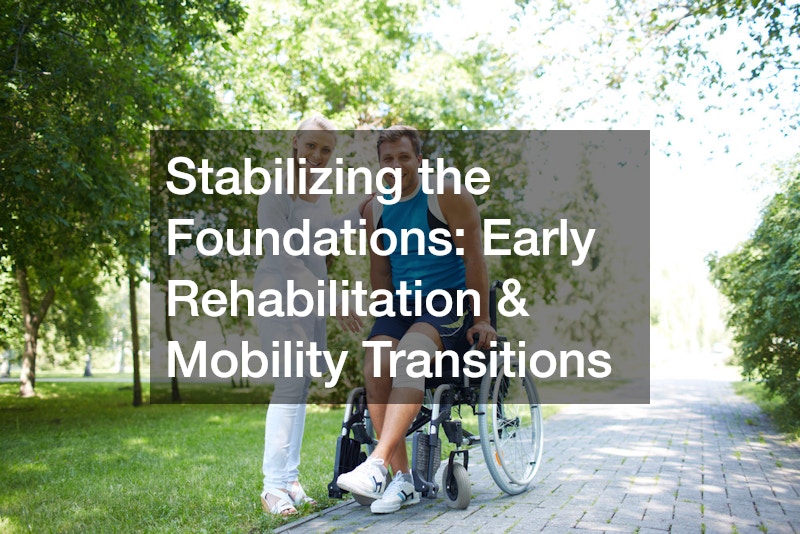
The primary focus following acute hospital discharge is physical stabilization and restoring functional independence. This stage is marked by intensive physical and occupational therapy aimed at helping the body adapt to altered capabilities or relearn basic movements. The physical recovery environment must be carefully cultivated to foster progress, safety, and confidence.
- Establish micro-goals with your care team: Rather than focusing solely on long-term physical outcomes, break physical therapy down into weekly, achievable milestones. Work with physiatrists and occupational therapists to target functional wins, such as improving core stability, expanding range of motion, or mastering independent transfers.
- Select adaptive equipment tailored to your lifestyle: Mobility devices should serve as tools of empowerment rather than limitations. If permanent or temporary mobility loss occurs, getting properly fitted for a wheelchair is essential. An ill-fitting device can lead to severe secondary health issues, including pressure sores, spinal alignment complications, and shoulder strain. Ensure clinical seating specialists evaluate your posture, daily environment, and transport needs before selecting a permanent model.
- Evaluate long-term inpatient versus outpatient facilities: Depending on the severity of the trauma, returning home immediately may not be clinically advisable. Moving directly from acute care into a specialized rehab center allows survivors to undergo intensive, daily therapy regimens under constant medical supervision. Look for facilities accredited by the Commission on Accreditation of Rehabilitation Facilities (CARF) with specific programs for spinal cord, brain, or multi-system trauma.
- Audit and modify the home environment for safety: Preparing the living space before discharge prevents secondary injuries and reduces anxiety. Focus immediate modifications on key risk areas:
- Install non-slip ramps over exterior entryway steps.
- Expand doorway widths to accommodate mobility equipment comfortably.
- Reconfigure bathrooms with zero-threshold walk-in showers, reinforced grab bars, and raised toilet seats.
- Remove throw rugs, secure loose cables, and rearrange furniture to create wide, unobstructed pathways throughout the primary living areas.
Physical adaptation is an iterative process. As strength, balance, and endurance evolve, mobility strategies and environmental setups must be regularly re-evaluated by physical therapy teams to ensure they continue to promote maximal independence.
Protecting Your Future: Navigating Legal & Financial Advocacy
A severe injury brings astronomical financial pressures. Between mounting emergency hospital bills, long-term physical therapy costs, specialized home equipment, structural home modifications, and lost earning capacity, the financial burden can quickly dwarf the physical trauma itself. Securing adequate financial resources is not merely about covering past medical expenses; it is about funding the rest of your life.
- Avoid early insurance settlements: Insurance adjusters frequently reach out shortly after an accident with quick settlement offers. These initial offers are almost always a fraction of the true, lifelong cost of a catastrophic injury. Never sign agreements or accept lump-sum payouts until the full scope of future medical care, adaptive technology needs, and career impacts are professionally calculated.
- Retain specialized legal representation immediately: Navigating the legal landscape while attempting to physically heal is an unrealistic burden for survivors and their families. Engaging a qualified personal injury lawyer ensures that critical evidence is preserved, witnesses are interviewed, and liability is firmly established while you focus on rehabilitation. Legal experts serve as a buffer between you and predatory insurance tactics.
- Utilize regional legal expertise: Healthcare regulations, insurance minimums, and tort laws vary significantly by state and municipality. Partnering with experienced local injury attorneys offers a distinct advantage. Regional legal teams possess intimate knowledge of local court systems, local defense strategies, and the specific medical expert networks needed to testify on the lifelong financial requirements of your specific injury.
- Maintain meticulous documentation of daily impacts: Building an undeniable claim for compensation requires thorough, real-time proof. Maintain an organized binder or digital folder containing:
- Comprehensive medical records, surgical summaries, and discharge paperwork.
- Out-of-pocket receipts for medications, travel to appointments, and home modifications.
- A daily pain and impact journal documenting physical distress, sleep disruptions, missed family events, and emotional struggles.
- Clear correspondence logs of every conversation had with insurance representatives, healthcare administrators, and employers.
Securing fair compensation is a foundational component of holistic healing. Financial stability provides access to cutting-edge therapies, high-quality assistive technology, and the personal care assistance necessary to maintain a dignified, comfortable quality of life.
Treating the Mind: Mental Health & Emotional Rehabilitation
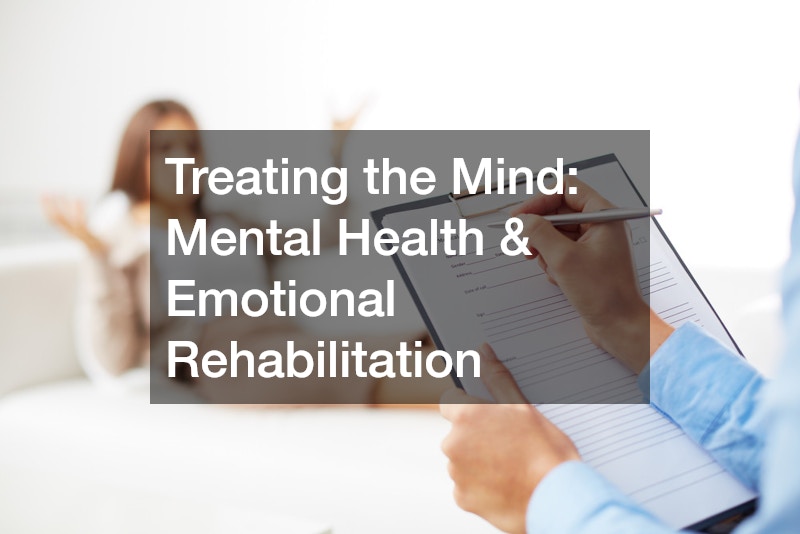
The psychological fallout of a life-altering injury is often more challenging to navigate than the physical pain. Survivors frequently experience a profound sense of grief over the sudden loss of their former body, career, hobbies, or independence. Traumatic accidents can also trigger acute Post-Traumatic Stress Disorder (PTSD), severe anxiety, and clinical depression. Addressing psychological health with the same urgency as physical trauma is non-negotiable.
- Acknowledge and process the grieving process: Mourning your pre-injury identity is a normal, healthy psychological response. Grief following trauma rarely moves linearly; survivors often cycle between denial, anger, bargaining, depression, and acceptance. Permitting yourself to feel frustration and sadness without shame is the first step toward genuine emotional healing.
- Engage professional psychological support: While friends and family offer vital comfort, processing traumatic life changes requires structured clinical expertise. Connecting with an established counseling service provides a safe, confidential space to unpack trauma, learn cognitive-behavioral strategies for managing panic, and process identity shifts with a trained mental health professional.
- Watch for signs of prescription dependency: Managing acute, severe physical pain typically involves opioid medications or sedatives. While necessary in early trauma management, prolonged pharmaceutical pain management carries significant risks of chemical dependency. If you find your tolerance escalating rapidly, or if you begin using medications to numb emotional distress rather than physical pain, speak immediately with a specialized substance abuse counselor. Early, compassionate intervention prevents a secondary substance crisis from compounding your physical recovery.
- Involve family in trauma-informed therapy: Catastrophic injuries impact the entire household ecosystem. Spouses, children, and parents often step into demanding caregiving roles overnight, leading to severe emotional exhaustion and shifting relationship dynamics. Participating in family counseling sessions helps re-establish healthy communication boundaries, process caregiver grief, and prevent burnout among your support network.
Mental resilience is not about maintaining toxic positivity; it is about building the psychological tools required to process reality, adapt to difficult circumstances, and gradually reconstruct a sense of meaning, purpose, and joy in life.
Integrated Care Models: Overcoming Complex Mental & Physical Challenges
For many trauma survivors, physical injury, severe psychological distress, and chemical dependencies do not occur in isolation—they intersect and amplify one another. Chronic pain can drive depression, which in turn reduces physical therapy compliance or leads to self-medication through alcohol or illicit substances. Breaking this destructive cycle requires highly coordinated, integrated healthcare delivery.
- Identify overlapping recovery hurdles early: Recognizing how physical limitations and mental health intersect is critical. For instance, severe sleep apnea or chronic pain can worsen psychiatric symptoms, while untreated trauma can heighten central nervous system pain perception. Treating one issue while ignoring the other inevitably leads to treatment failure.
- Seek specialized integrated treatment programs: When substance reliance or severe addiction intersects with significant depression, anxiety, or trauma, traditional standalone clinics are often insufficient. Enrolling in a comprehensive dual diagnosis treatment program ensures that both the psychological addiction and the underlying mental health conditions are addressed simultaneously by a multidisciplinary team of psychiatrists, addiction specialists, and medical doctors.
- Navigate insurance coverage for complex care: Combining physical rehabilitation, psychiatric therapy, and medical management creates a dense web of health insurance claims. Understanding the intricacies of behavioral mental health billing can help prevent devastating out-of-pocket coverage denials. Ensure your care providers employ experienced billing specialists who know how to pre-authorize concurrent care, submit detailed medical necessity documentation, and appeal unfair claim rejections.
- Establish a centralized care coordinator: With dozens of specialists involved—physiatrists, orthopedic surgeons, psychiatrists, physical therapists, and case managers—communication gaps are common. Request a dedicated clinical case manager through your hospital or insurance provider to centralize medical records, streamline doctor-to-doctor updates, and ensure every team member is working toward the same unified recovery plan.
Restoring Long-Term Vitality: Alternative Therapies & Extended Support

Moving beyond the initial crisis and rehabilitation phases requires transitioning from reactive medical treatment to proactive, lifelong wellness management. True recovery involves restoring vitality, relieving systemic stress, managing chronic symptoms through diverse modalities, and planning for evolving health requirements over the course of a lifetime.
- Integrate evidence-based non-pharmacological pain relief: Managing chronic post-injury pain long-term often requires moving beyond heavy pharmaceutical reliance. Explore integrative therapies under medical supervision, such as:
- Targeted acupuncture to reduce neuropathic pain and stimulate nervous system recovery.
- Hydrotherapy and aquatic physical therapy to build strength in a low-impact, buoyant environment that removes weight-bearing stress from joints.
- Therapeutic massage therapy to improve circulation, break down scar tissue, and relieve secondary muscle spasms caused by altered posture or movement patterns.
- Prioritize systemic nervous system recovery and stress relief: Chronic pain and physical limitations keep the body’s sympathetic nervous system in a constant state of fight-or-flight. Incorporating clinical relaxation, soft-tissue manipulation, and skin-care therapies at a medically supervised med spa can provide deep sensory relief, lower systemic cortisol levels, relieve muscle spasticity, and promote restorative rest.
- Prepare for complex cognitive or generational care needs: Catastrophic injuries sometimes involve traumatic brain injuries (TBI) or accelerate age-related cognitive decline in older survivors. If long-term neurological symptoms worsen over time to the point where home care is no longer safe or sustainable, evaluating a specialized memory care facility becomes an important step. Ensure any long-term residential facility offers structured cognitive stimulation, secure sensory environments, and staff trained specifically in managing complex neurological conditions alongside physical limitations.
- Adopt sustainable daily wellness practices: Lifelong health is built on foundational daily habits. Focus on optimizing the factors within your control:
- Adopt an anti-inflammatory diet rich in whole foods, omega-3 fatty acids, and lean proteins to support cellular repair and reduce internal inflammation.
- Establish strict sleep hygiene routines to encourage deep, restorative REM and slow-wave sleep, which are vital for neurological and tissue repair.
- Join local or online adaptive peer-support communities to share practical advice, combat isolation, and gain inspiration from others who have successfully navigated similar life transitions.
Embracing a New Chapter of Healing and Empowerment

Recovering from a life-changing injury is unarguably one of the most daunting challenges a person or family can face. The journey requires immense patience, physical endurance, emotional vulnerability, and steady determination. However, a catastrophic event does not mark the end of your story; rather, it opens a complex, highly transformative new chapter.
By embracing a holistic recovery framework, you shift the narrative from helpless trauma survivor to empowered self-advocate. Healing is rarely about returning to the exact person you were before an accident; it is about honoring the body and mind you have today, surrounding yourself with expert medical, legal, and emotional support, and systematically constructing a life filled with dignity, independence, and renewed purpose.