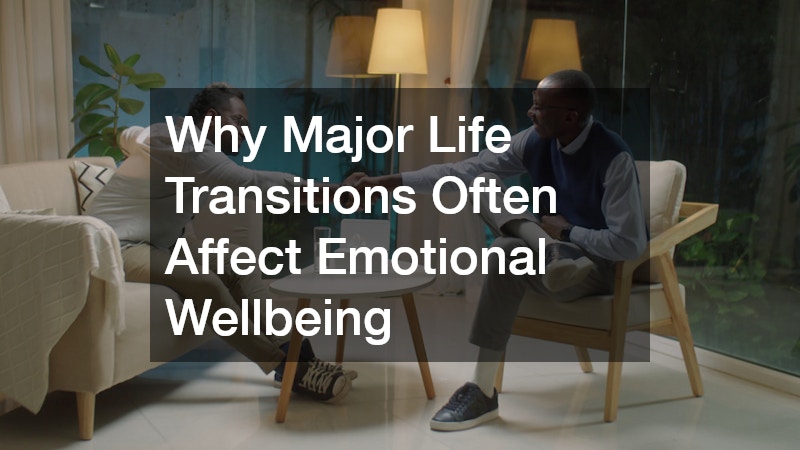
Life changes can bring excitement, uncertainty, pressure, and emotional exhaustion all at the same time. Events such as moving to a new city, starting a new job, becoming a parent, ending a relationship, or caring for an aging family member can shift daily routines and emotional stability in ways people do not always expect.
During these periods, many individuals begin looking for healthier ways to manage stress, anxiety, and emotional overwhelm. Mental health counseling can provide support during times when emotions feel difficult to process on your own. Having a safe, consistent space to talk through major transitions may help people feel more grounded as they adjust to change.
Change Often Brings Emotional Uncertainty
Even positive life events can create emotional strain. People sometimes feel pressure to adapt quickly while managing responsibilities that continue growing around them. It is common to experience uncertainty when routines, relationships, or expectations suddenly change.
Some individuals may notice changes in sleep patterns, concentration, motivation, or energy levels during stressful transitions. Others may feel emotionally disconnected, overwhelmed, or unsure how to communicate what they are experiencing.
These reactions are often more common than people realize. Emotional adjustment takes time, especially when multiple changes happen within a short period.
Career Changes Can Affect Personal Identity
Work often becomes closely connected to self-confidence, financial stability, and long-term goals. Starting a new career, losing a job, changing industries, or experiencing workplace stress can significantly affect emotional well-being.
People may begin questioning their direction, abilities, or future plans as they try to adapt to unfamiliar expectations. Financial pressure can also increase emotional strain during these transitions.
Mental health counseling may help individuals process uncertainty while developing healthier coping strategies during periods of professional change.
Relationship Transitions Can Feel Overwhelming
Relationships naturally evolve throughout life, and those changes can affect emotional health deeply. Divorce, separation, conflict within families, or shifts in friendships may create feelings of grief, loneliness, or instability.
Even healthy relationship changes, such as marriage or becoming a parent, may bring emotional pressure as people adjust to new responsibilities and expectations.
Having support during these periods can help individuals navigate difficult emotions while improving communication and self-awareness.
Caregiving Responsibilities Can Increase Stress
Many adults eventually find themselves balancing caregiving responsibilities alongside work, parenting, and personal obligations. Caring for aging parents, children with additional needs, or loved ones facing health challenges can become emotionally and physically exhausting over time.
People in caregiving roles often place their own emotional needs last while focusing entirely on supporting others. This can gradually lead to burnout, frustration, and emotional fatigue.
Mental health counseling may provide space for caregivers to process stress, establish healthier boundaries, and maintain their own well-being while supporting loved ones.
Social Isolation Can Make Transitions Harder
Major life changes sometimes lead to feelings of isolation. Moving to a new area, changing routines, or experiencing personal loss may reduce social connection during periods when emotional support is needed most.
People often struggle silently because they believe they should be able to handle challenges independently. Over time, isolation may increase feelings of anxiety, sadness, or emotional exhaustion.
Consistent emotional support can help individuals feel less alone while creating healthier ways to manage stress and uncertainty.
Building Coping Skills Takes Time
Emotional resilience is not something people develop overnight. Healthy coping skills often require patience, practice, and self-awareness. Many individuals benefit from learning how to recognize emotional triggers, communicate more openly, and respond to stress in healthier ways.
Mental health counseling may help people better understand their emotional patterns while creating practical strategies for navigating difficult situations.
For some, this process includes learning how to slow down, set boundaries, manage anxious thoughts, or process unresolved emotions connected to past experiences.
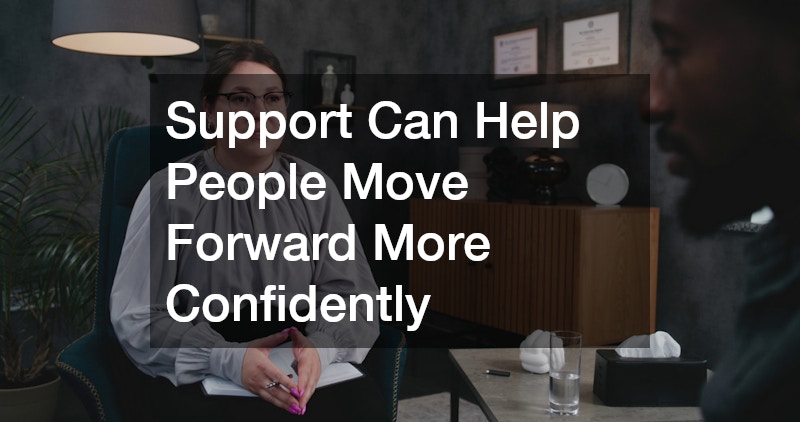
Support Can Help People Move Forward More Confidently
Life transitions are a normal part of growing and adapting, but they can still feel emotionally overwhelming when faced alone. Seeking support does not mean someone is failing or incapable of handling challenges. In many cases, it reflects a proactive, healthy approach to emotional well-being.
Mental health counseling can provide guidance, perspective, and emotional support during uncertain periods. With time and consistent care, many people begin to feel more confident navigating change while building healthier ways to manage future challenges.